SPECIAL SESSION #17
Non-Invasive Diagnostic Techniques for the Study and Conservation of Cultural Heritage
ORGANIZED BY
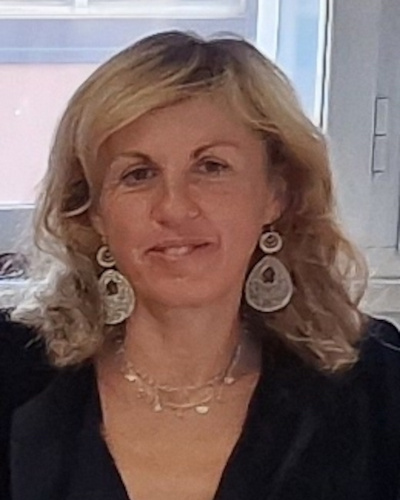 Paola Fermo
Paola Fermo
University of Milan, Department of Chimica, Italy
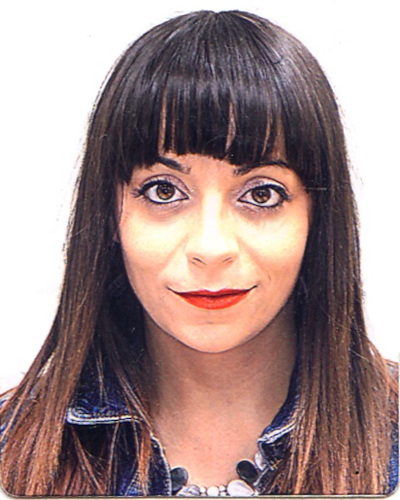 Valeria Comite
Valeria Comite
University of Milan, Department of Chimica, Italy
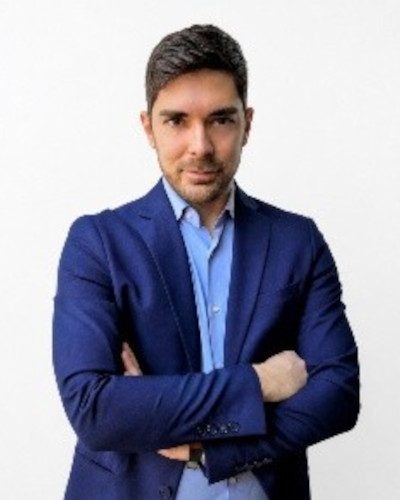 Antonino Fiorentino
Antonino Fiorentino
University of Milan, Department of Chimica, Italy
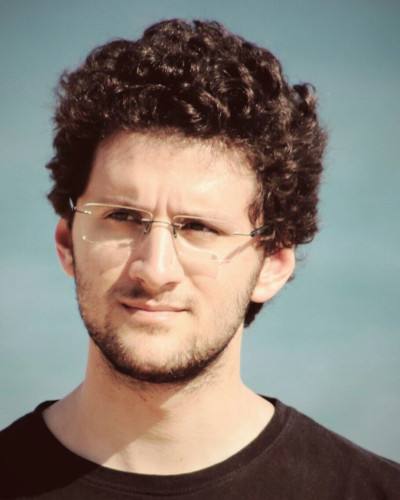 Lorenzo Guardiano
Lorenzo Guardiano
University of Milan, Department of Literary, Philological, and Linguistic Studies, Italy
SPECIAL SESSION DESCRIPTION
This session is dedicated to recent advances in the development and application of non-invasive diagnostic techniques in the field of cultural heritage. The increasing demand for detailed information on the compositional and structural features of artefacts made of different materials and executed with diverse techniques has driven continuous progress in both instrumentation and methodologies. In this framework, methods such as X-ray Fluorescence (XRF) and Macro XRF enable in situ elemental analysis and elemental mapping without physical contact with the objects, while spectroscopic techniques including Raman spectroscopy and FTIR spectroscopy allow the identification of molecular compounds without sampling. These approaches are particularly valuable for the investigation of pigments, binders, corrosion products, and alteration materials.
The session will address a wide range of application fields, including the study of archaeological artefacts, excavated materials, and architectural remains, as well as artworks, historical buildings, museum collections, and decorated surfaces. In the archaeological context, non-invasive techniques play a crucial role in the characterization of materials, technologies, and conservation states of objects such as ceramics, metals, paintings, and stone materials, both in situ and in laboratory environments.
A key objective of the session is to highlight the optimization of the combined and simultaneous use of multiple complementary techniques applied to the same case study. Such integrated approaches are increasingly adopted in archaeological research, preventive conservation, and diagnostics prior to restoration interventions, allowing a comprehensive interpretation while preserving the integrity of the investigated objects.
The multidisciplinary approach promoted in this session aims to offer a more comprehensive interpretative framework, improving knowledge of cultural heritage objects and supporting informed conservation and restoration strategies across different chronological periods and cultural contexts.
TOPICS
Possible Topics (non-exhaustive list):
- X-ray Fluorescence (XRF) and Macro XRF;
- Multispectral and Hyperspectral Imaging;
- Raman Spectroscopy;
- FTIR Spectroscopy;
- Reflectance Spectroscopy;
- X-ray Radiography and Tomography.
ABOUT THE ORGANIZERS
Paola Fermo is full professor of Analytical Chemistry at the Department of Chemistey, Università degli Studi di Milano. The research topics are in the field of environmental analytical chemistry as well as analytical chemistry applied to cultural heritage. Principal investigator of numerous projects. Author of about 200 scientific publications on international peer-review journals with h-index (Scopus)= 46 and about 5700 citations (Scopus); author of 20 book chapters. Invited speaker in international congresses and member of the editorial board of international journals. Co-chair of MetroArcheo conference in 2021 organized in Milan.
Valeria Comite is an Associate Professor of Analytical Chemistry (CHEM-01/A) at the Department of Chemistry, University of Milan. Her research focuses on the application of analytical chemistry to cultural heritage, with particular emphasis on the study of black crust formation and degradation processes affecting stone materials, as well as the characterization of degradation phenomena in movable artworks, including paintings, wooden panels, and modern materials.
Her work addresses the chemical characterization of degradation processes and the interactions between materials and atmospheric pollution, contributing to the understanding of deterioration mechanisms affecting cultural heritage. She has participated in several national and international research projects focused on the study of degradation processes driven by atmospheric pollution in historical materials and the development of analytical methodologies applied to conservation.
In addition, her research includes the characterization of environmental and food matrices, with a focus on analytical methodologies and material characterization.
Throughout her career, she has collaborated with national and international research institutions, contributing to interdisciplinary studies in the field of conservation science.
Valeria Comite is the author of over 107 scientific publications in international peer-reviewed journals, with an h-index of 25 (Scopus).
Antonino Fiorentino is an Associate Professor at the Department of Chemistry of the University of Milan. His teaching and research activities are centred on analytical and environmental chemistry, with a focus on advanced oxidation processes, water and wastewater treatment, environmental monitoring, emerging contaminants, antibiotic resistance in aquatic environments, and the characterization and valorization of secondary raw materials. His research also includes applications in the field of cultural heritage, particularly through analytical approaches supporting the study, preservation, and sustainable management of materials and environmental conditions relevant to conservation.
At the University of Milan, he contributes to teaching activities related to analytical chemistry applied to the environment, materials, and cultural heritage, as well as environmental impact assessment, contaminant management, and instrumental analysis. His scientific work includes publications on wastewater treatment, Fenton and photo-Fenton processes, biochar-based applications, water quality, environmental contaminants, secondary raw materials, sustainable technologies for pollution control, and analytical approaches supporting cultural heritage research and conservation.
Lorenzo Guardiano is an Egyptologist and adjunct professor of Egyptology at the University of Milan. His research focuses on astronomy, epigraphy, and hieroglyphic cryptography in ancient Egypt, with particular attention to representations of the sky and the transmission of knowledge in the ancient world. He is the Principal Investigator of a research project funded by Fondazione Cariplo on the Egyptian collection of Marquis Carlo Ignazio Busca and participates as an epigrapher in the Italian-Egyptian archaeological mission at West Aswan (Egypt). He collaborates with academic publishers such as Milano University Press (Milan), Il Mulino (Bologna), and Carocci (Rome).